The real estate market in Syria
- Jul 7, 2025
- 2 min read

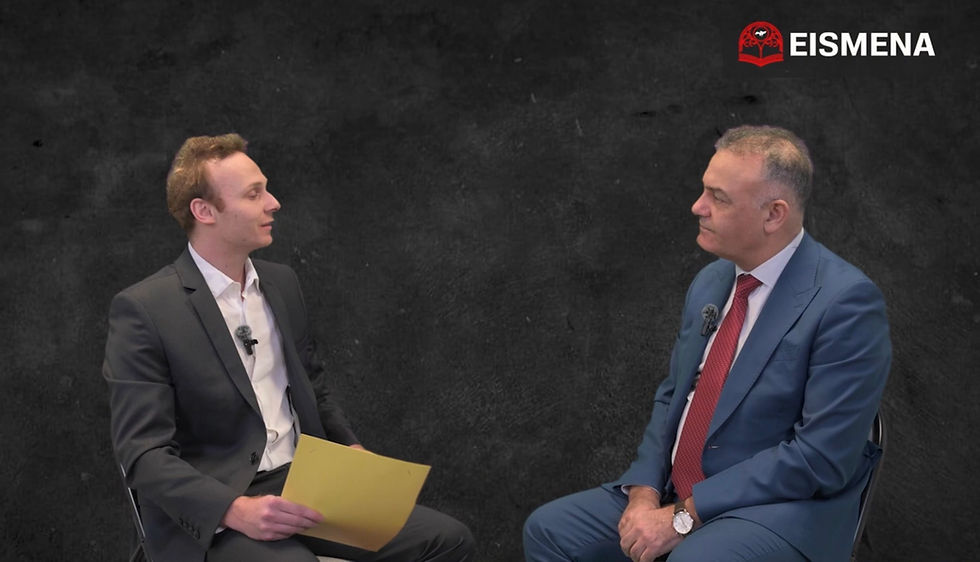
In Damascus, we had the opportunity to meet with the leaders of Traboulse Real Estate Developing, the leading construction company in Syria since 1991.
During a meeting with Mr. Amjad Traboulse, the owner, and Mr. Anas Mouazen the marketing manager, we visited the new projects under construction. Notably, we explored the most recent project situated in the upscale Al-Maliki district of Damascus, named the “Eagle Tower.”

Over the past few months, the price per square metre has risen sharply in many areas of Syria.
The Syrian real estate market is experiencing a revival, offering attractive opportunities after years of conflict.


Investors are returning to Syria, with a massive influx of capital, particularly from the Gulf. This week, several Saudi businessmen announced investments of up to $6,4 billion for the country's reconstruction (including $2.9 billion in real estate and infrastructure projects). In Damascus, the presence of investors from several regions of the world is tangible, reflecting to a renewed international interest in this market.
The outlook is promising, with prices expected to increase in the future. However, it will be important to monitor the country's stability and ensure a clear legal framework as a foreign investor.
Here are the key points to keep in mind:
The gradual stabilization of the country has led to an increase in demand for real estate, which has led to a significant rise in prices.
In major cities and suburbs spared from the destruction of the war, land is scarce and expensive, with high demand.
Damascus is experiencing growing demand for residential and commercial units, with a very limited supply. Aleppo, a major industrial and commercial hub, is experiencing a significant real estate boom, with prices remaining affordable. On the Mediterranean coast, Latakia, strategic port city and a national tourist destination, is experiencing growing demand with limited supply. Homs, a war-torn city, offers affordable prices and high growth potential.
In rural and remote areas, there is significant destruction with low land prices; however, issues related to property rights and lack of infrastructure make investment less attractive for now.